

Emails released by the U.S. Department of Justice (DOJ) last month show convicted sex offender Jeffrey Epstein obtain multiple pieces of cloth from Islam’s holiest site in 2017, including part of the sacred Kiswa.
The disclosure drew condemnation, as the Kiswa, – the black and gold embroidered cloth that covers the Kaaba in Mecca, Saudi Arabia – is deeply revered by Muslims worldwide.
Saudi authorities replace the kiswa annually. Pieces are typically gifted only to high-profile Muslims such as religious scholars and heads of state. Epstein was not Muslim.
The emails, dated February to March 2017, are part of 3.5 million files pertaining to Epstein-related documents released by the DOJ.
Three intermediaries – Aziza Alahmadi, CEO and founder of mobile gaming company Boss Bunny Games; Saudi contact Abdullah Al Maari; and Epstein associate Daphne Wallace – are shown discussing shipment logistics, an invoice and delivery to Epstein’s St. Thomas residence in the U.S. Virgin Islands.
However, they leave key questions unanswered, such as why Epstein likely bought them and whether they were authentic or complied with Saudi protocol.
The correspondence suggests it was arranged in advance and handled commercially.
A Feb. 1 email shows Maari writing to Wallace: “We will provide you the needful information of this shipment. I will let you know once we ship it.”
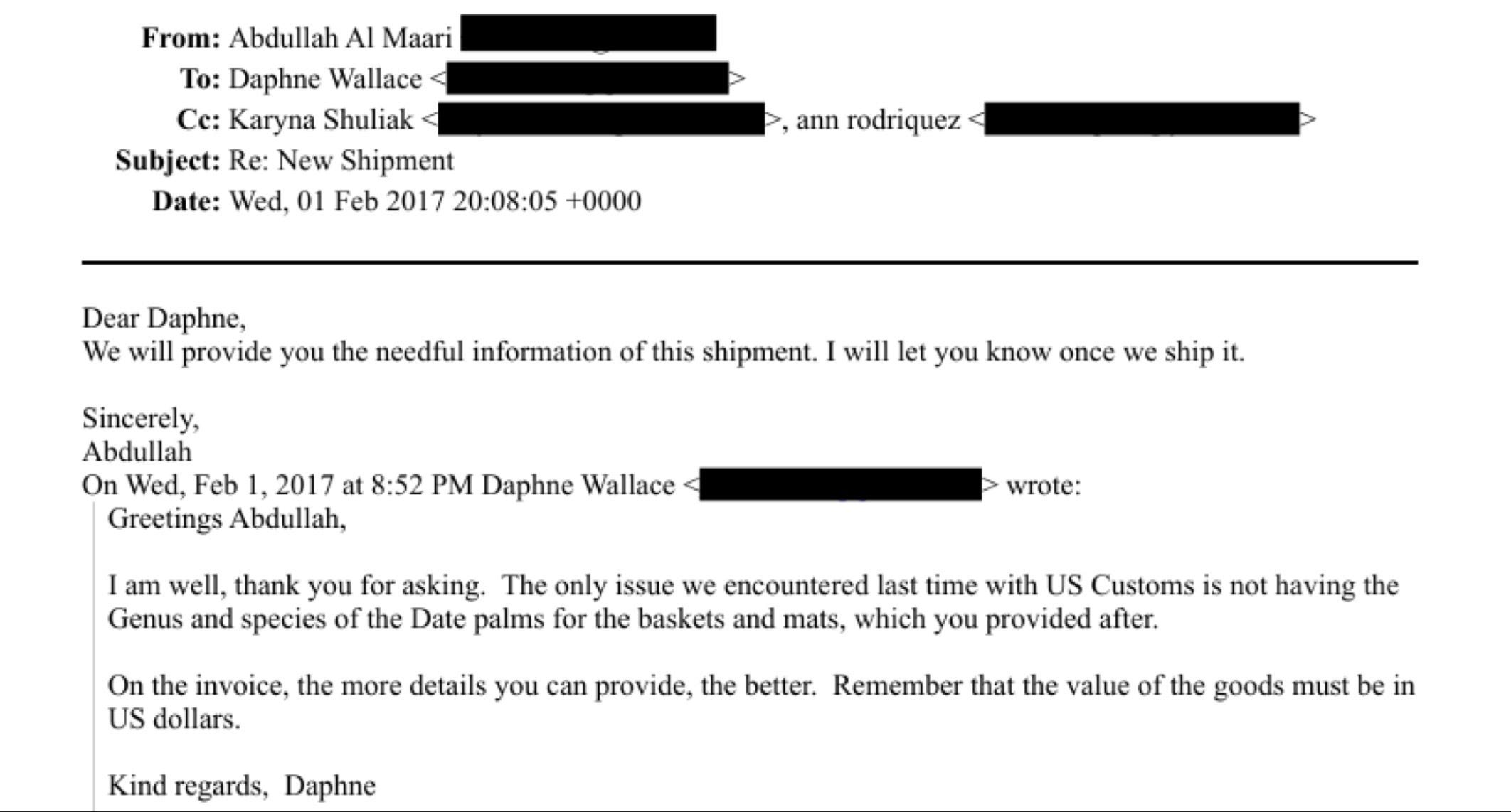
Subsequent emails discuss invoicing, with Wallace noting that “the value of the goods must be in US dollars,” according to the records.
The cargo was described as “artwork” being internationally shipped via British Airways, but the value listed in the mentioned invoice is not explained.
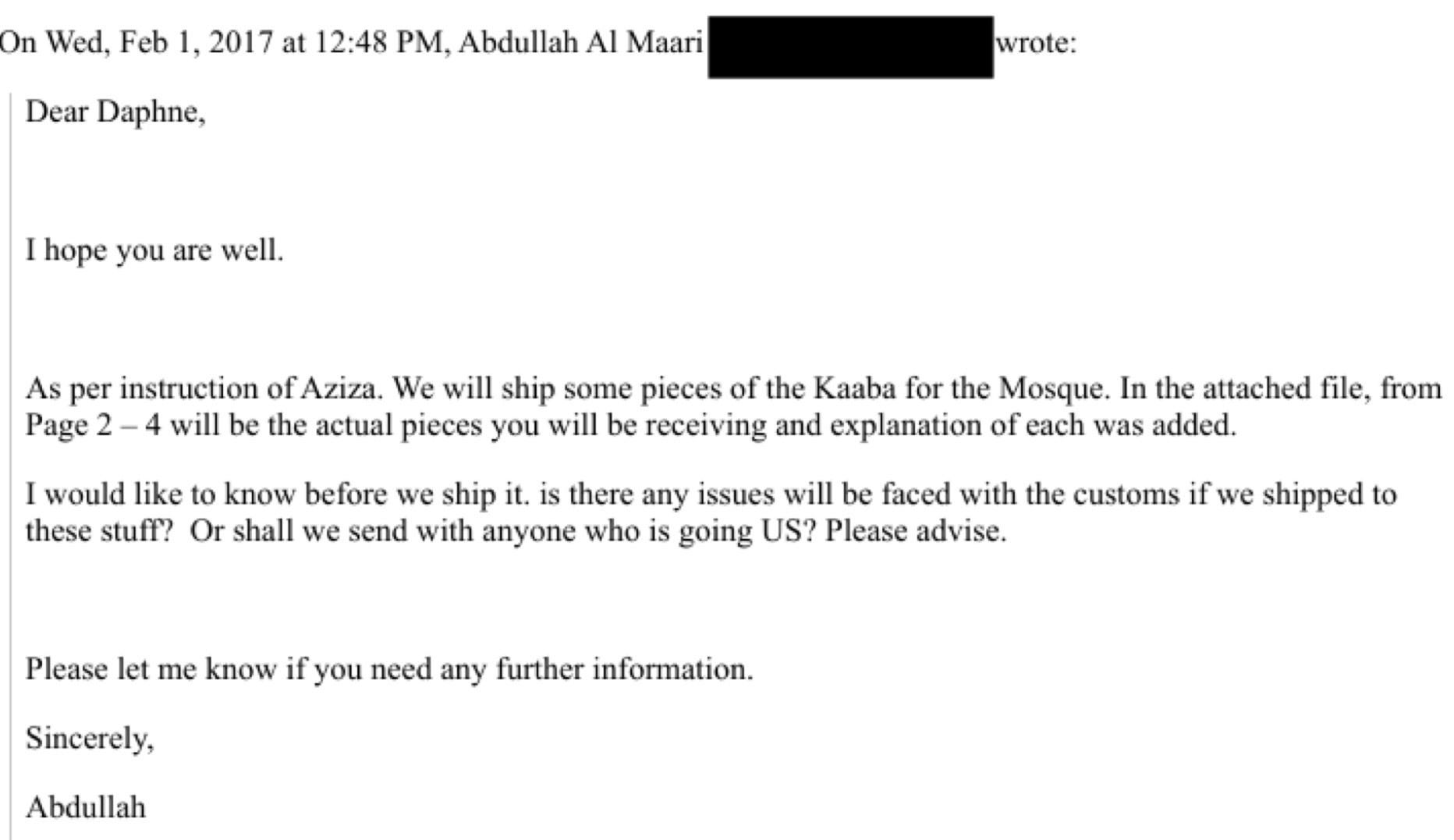
That same day, Maari sent attachments including images of cloth pieces with descriptions.
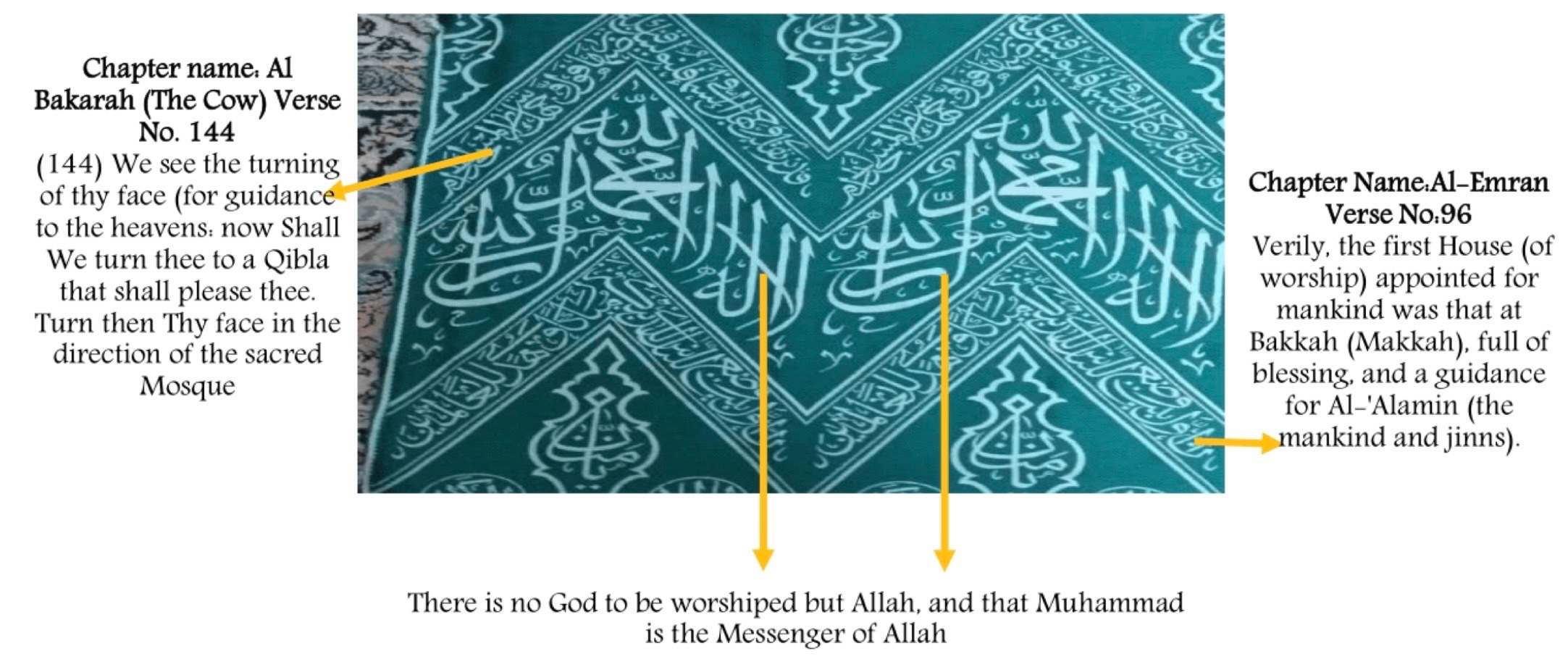
One image shows a green cloth bearing Arabic calligraphy “from inside the Kaaba. Where no one touched,” the file states.
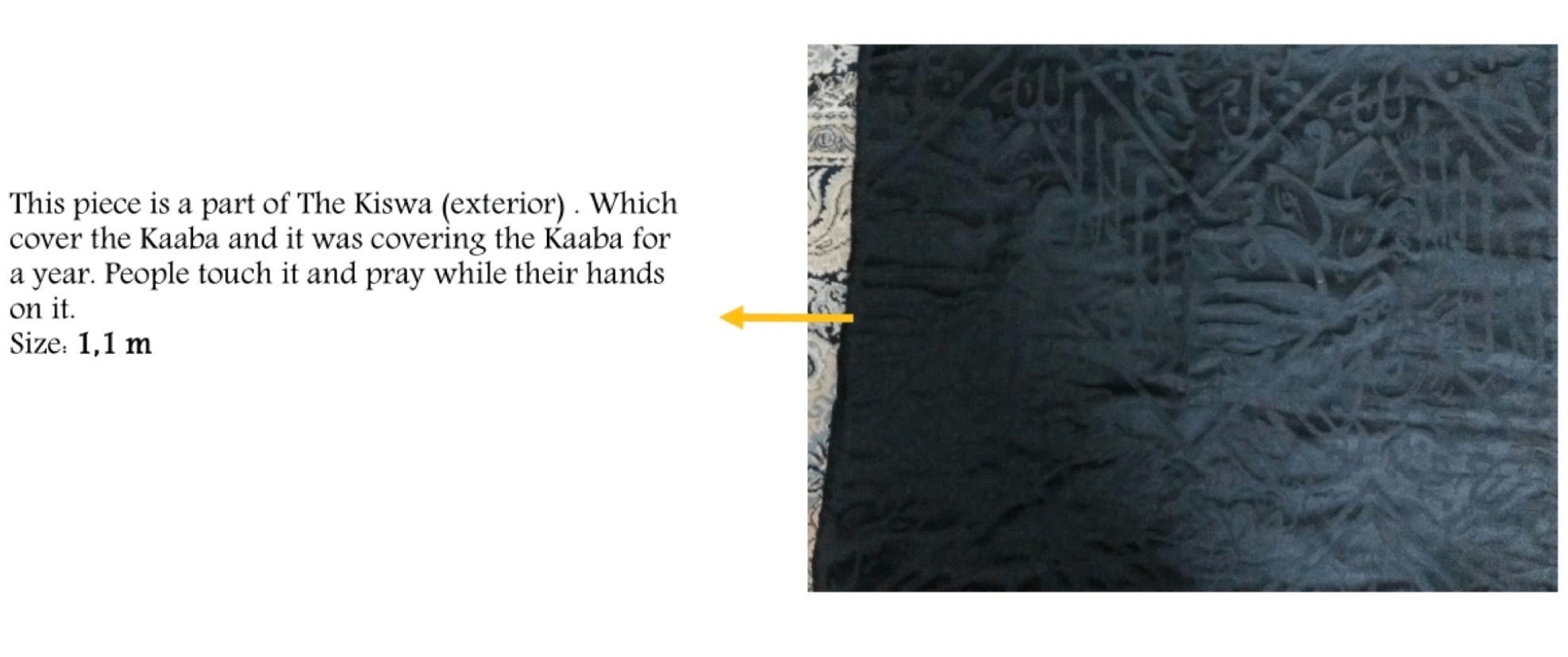
Another shows a piece of the Kiswa described as the exterior cloth that people “pray while their hands on it.”
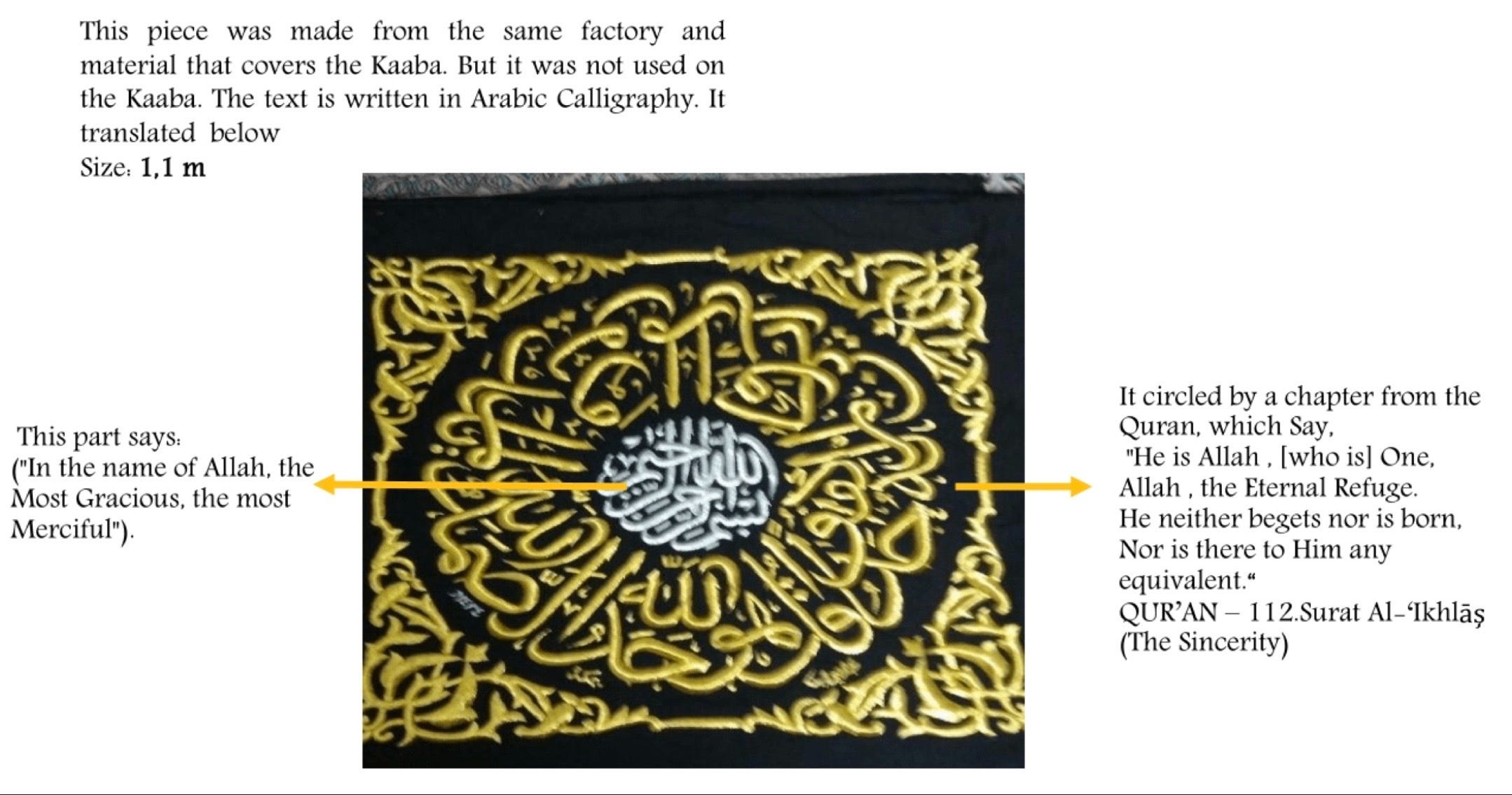
A third image shows a black and gold-embroidered that was “made from the same factory and material that covers the Kaaba.”
@Islamic could not independently verify the authenticity of the pieces.
In a March 7 email, Epstein himself wrote that it was “shipped from Saudi Arabia to FL.”
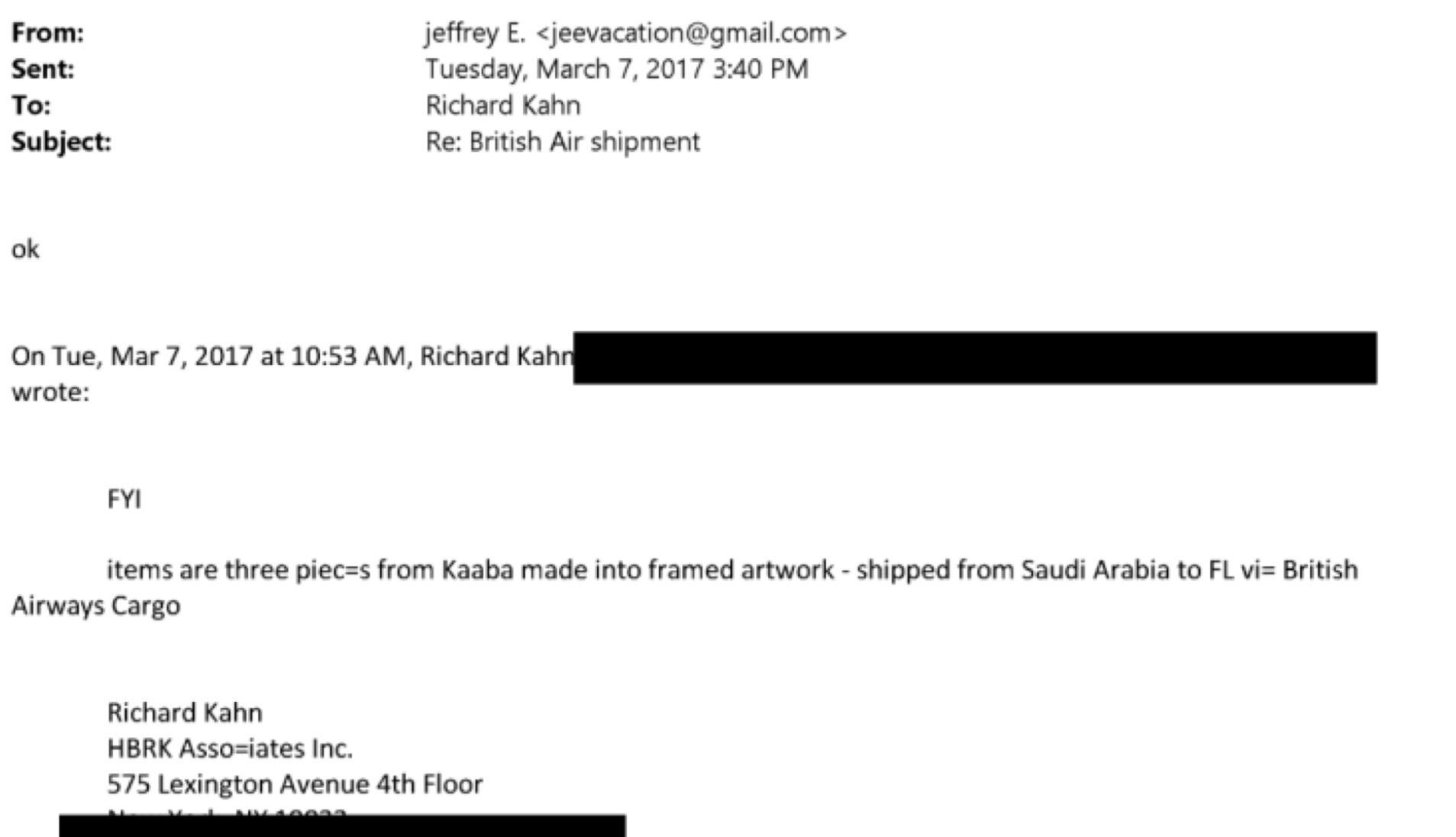
Wallace confirmed weeks later on March 21 that the shipment was delivered to Epstein’s residence.
“I am happy to confirm that the artwork was safely delivered to Mr. Epstein’s home,” she wrote. “His managers are taking care of the unpacking and will let him know when everything is ready for his review.”
The following day, Alahmadi, the Boss Bunny CEO, wrote directly to Epstein about one of the cloth pieces’ significance.
“The black piece was touched by minimum 10 million Muslims of different denominations, Sunni Shia and others.” she wrote.
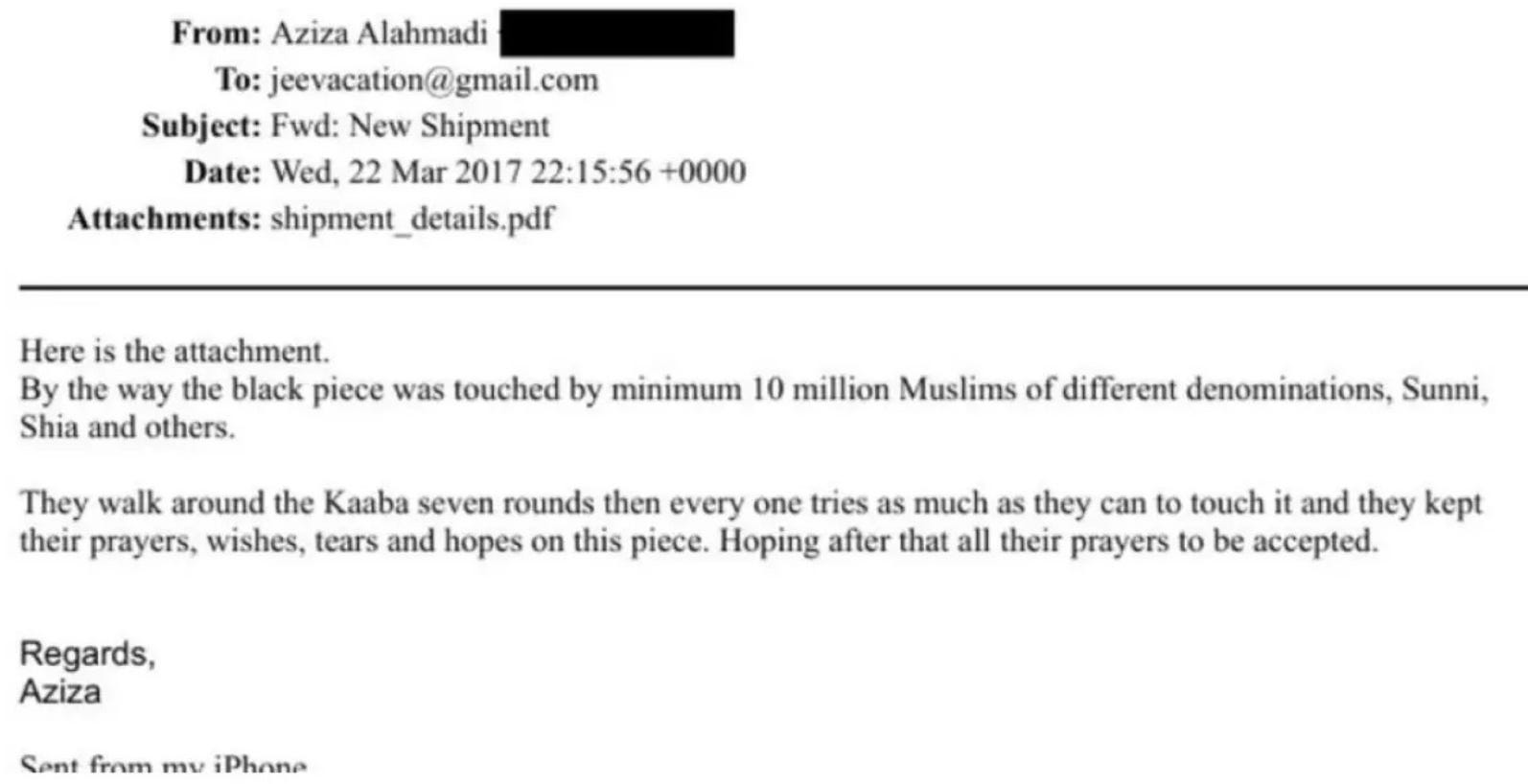
“They walk around the Kaaba seven rounds then every one tries as much as they can to touch it and they kept their prayers, wishes, tears and hopes on this piece,” she continued. “Hoping after that all their prayers to be accepted.”
The emails do not explain why Epstein sought the cloth pieces or what he intended to do with them.
What is documented is that the shipment was facilitated primarily by Alahmadi and Maari.
How they became acquainted with the sex offender remains unclear, but they are mentioned repeatedly in the DOJ’s files.
They show hundreds of emails exchanged between Alahmadi, Epstein and associates from 2016 to 2018 not only regarding the cloth pieces but also gifts and requests to visit Epstein’s New York and St. Thomas residences.
Al Maari appears in 44 emails only discussing the shipment and is not shown writing directly to Epstein.
Although the files show the transfer logistics of the Kaaba cloth pieces, they do not explain who authorized it, nor whether Saudi protocol was followed
The Saudi government has not publicly commented on the emails.